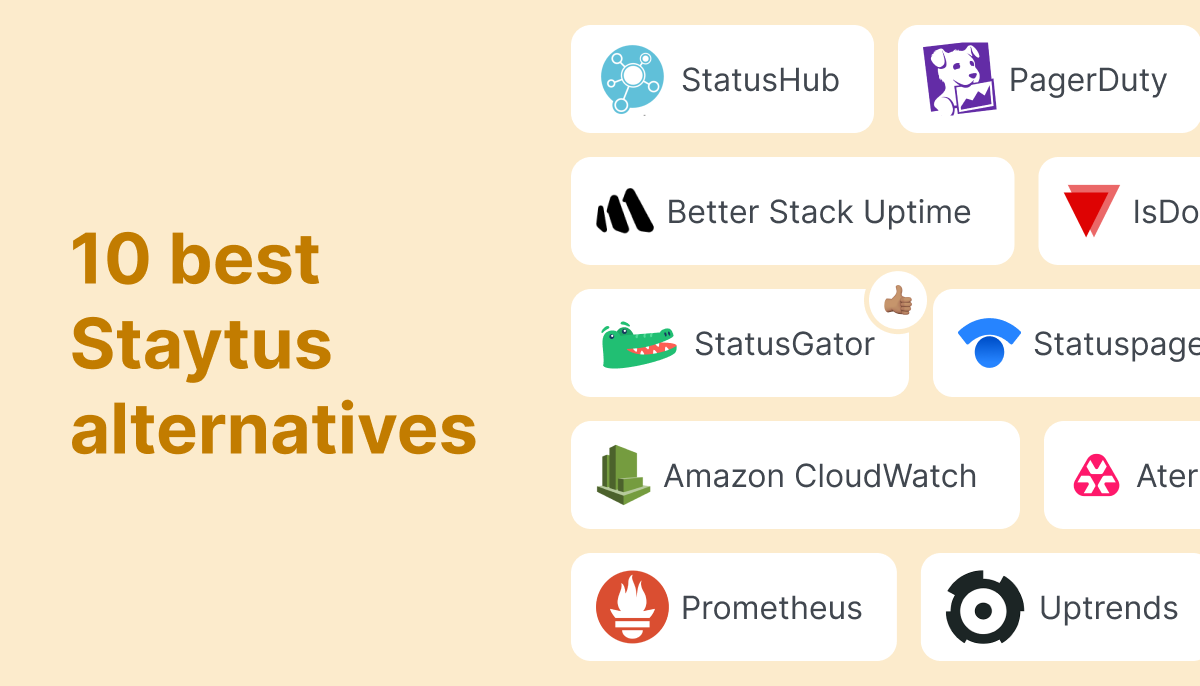
Maintaining transparency with your users about service status is crucial. While Staytus is a popular choice for status page providers, there are several alternatives that offer unique features and benefits. Here’s a look at the 10 best Staytus alternatives that can help you keep your users informed and engaged.
What is Staytus ?

Staytus is a powerful status page solution designed to help businesses communicate effectively with their users during service disruptions or maintenance periods. It offers real-time updates, allowing companies to keep their customers informed about system performance and outages. With a user-friendly interface, Staytus enables organizations to customize their status pages to reflect their brand identity while providing essential data.
The platform also supports incident management, allowing teams to log issues and track their resolution progress transparently.
Additionally, Staytus integrates seamlessly with various third-party tools, enhancing its functionality and making it a versatile choice for businesses of all sizes.
Overall, Staytus is an invaluable tool for maintaining customer trust and ensuring clear communication during critical times.
Features
Staytus is a status page provider that offers several key features to help businesses communicate their service status effectively. Here are the main features of Staytus:
- Real-Time Status Updates: Staytus allows users to post real-time updates about system performance and incidents, ensuring that stakeholders are always informed.
- Customizable Status Pages: Users can create personalized status pages that reflect their brand identity, including logos, colors, and messaging tailored to their audience.
- Incident Management: The tool provides a streamlined process for reporting and managing incidents, allowing teams to document issues and resolutions transparently.
- Subscription Notifications: Staytus enables users to subscribe to updates, ensuring that customers receive notifications about service changes or incidents directly via email or SMS.
- Historical Data and Analytics: The platform offers insights into past incidents and performance metrics, helping businesses analyze trends and improve their service reliability.
- Multi-Channel Communication: Staytus supports various communication channels, allowing users to share updates across social media, email, and other platforms to reach a wider audience.
Top 10 Alternatives to Staytus
StatusGator

StatusGator is a hosted status page provider that monitors the uptime of your own website and apps.
StatusGator also monitors the statuses of 4,000+ cloud service providers that its users can display on their status pages.
Features
- Public and Private Status Pages
Public Status Pages: Keep customers informed with instant updates.
Private Status Pages: Ensure internal teams have the data they need to respond quickly. - Customizable Status Pages
Brand Alignment: Customize logos, favicons, and domains to match your company’s identity.
Professional Image: Enhance your brand with tailored status pages. - SaaS and Cloud Status Monitoring
Extensive Coverage: Monitor over 4,000 cloud services and SaaS providers. Send us a request when you need to add a new third-party service to monitor.
Aggregated Status: Get a comprehensive view of potential external disruptions. - Website and Custom Monitoring
Own Website Monitoring: Keep track of your website’s uptime.
Custom Monitors: Create and manage custom incidents for unique situations. - Real-Time Notifications
Instant Alerts: Notify stakeholders via Slack, Microsoft Teams, email, SMS, webhooks, and API integrations.
Timely Updates: Reduce uncertainty during incidents with immediate communication. - Status Widgets and Embed Options
Easy Access: Integrate status updates into your website or intranet.
Customizable Widgets: Use JavaScript or iframe embeds for seamless integration. - TV Integration
Continuous Updates: Display your status page on office TVs.
Proactive Environment: Keep your team informed and ready to respond.
Advantages
- Enhanced Transparency and Trust: StatusGator helps build trust with customers and employees by providing clear and consistent communication during incidents, enhancing your organization’s credibility.
- Improved Response Times: With real-time notifications and centralized status data, your team can respond to incidents more quickly and effectively, minimizing downtime and disruptions.
- Reduced Support Tickets: Proactively communicating incidents and updates reduces the volume of support tickets, freeing up your support team to focus on resolving issues.
- Comprehensive Monitoring: StatusGator’s ability to monitor thousands of third-party services ensures that you are aware of any external factors that might affect your operations, allowing for proactive incident management.
- Seamless Integration: StatusGator fits smoothly into your existing workflow, making it easier to manage incident communication without disrupting your processes.
Using StatusGator as your incident communication tool means you can handle incidents with greater efficiency and clarity, ensuring that all stakeholders remain aware and confident in your response capabilities.

Pricing
Free Plan: Ideal for small teams or individual users, the Free Plan includes basic monitoring for up to 3 services. You can track the status of your essential cloud providers and receive email notifications when issues arise.
Startup Plan: At $79 per month, the Startup Plan supports up to 15 services. This plan includes access to both public and private status pages, service monitoring, and customizable notifications via Slack, MS Teams, and more.
Business Plan: Priced at $149 per month, this plan supports up to 50 services and includes advanced features like custom domains, branding, and real-time notifications via multiple channels. Ideal for growing teams that rely on numerous cloud services.
Enterprise Plan: For larger organizations, the Enterprise Plan offers custom pricing. It includes unlimited services, advanced security features, dedicated support, and tailored integrations for incident communication and monitoring.
Uptime Kuma
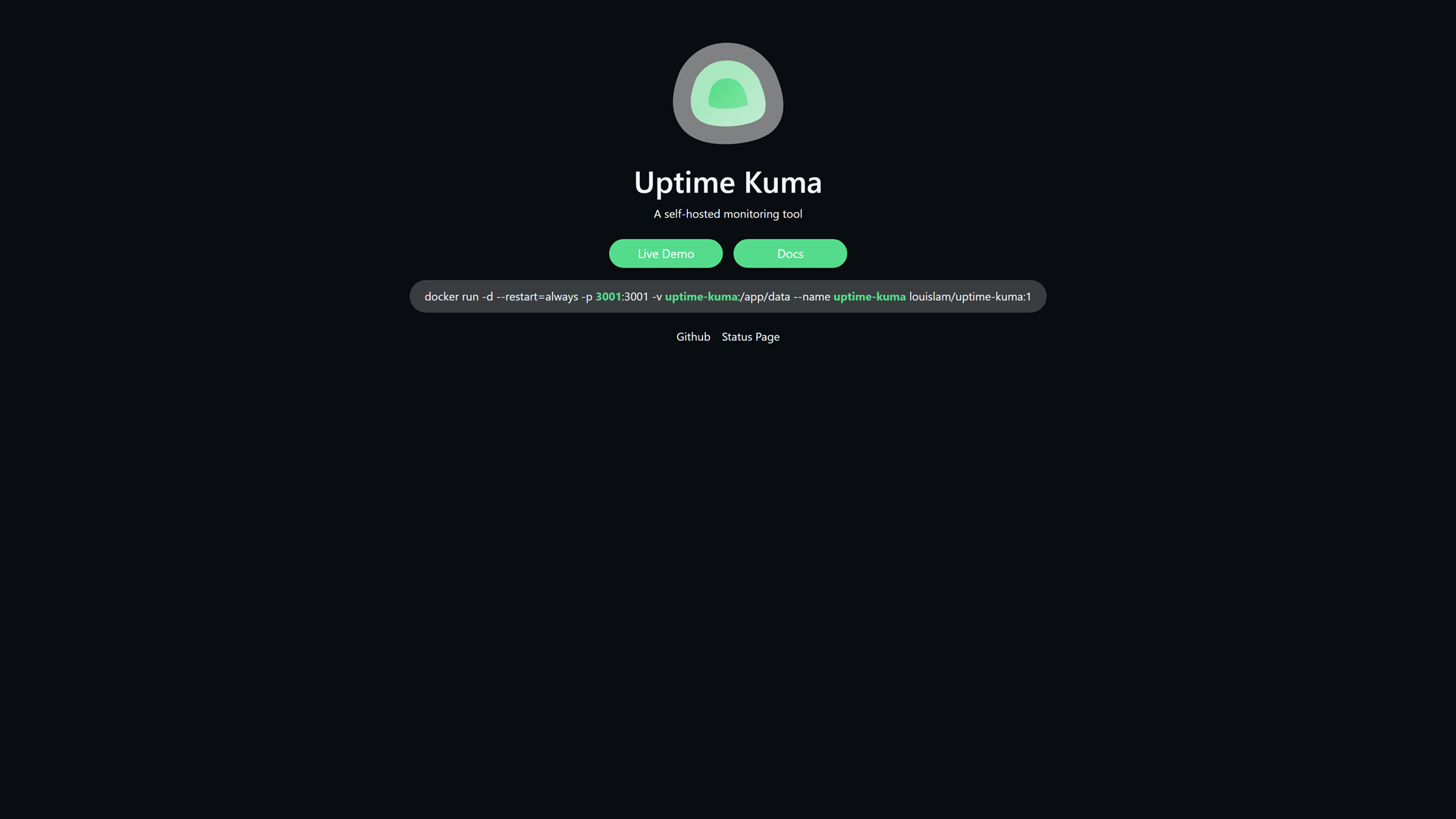
Uptime Kuma is an open-source status page provider that offers users a self-hosted solution for monitoring the uptime of their services. It allows teams to track the status of their websites and applications in real-time, providing customizable notifications for incidents and outages.
With a user-friendly interface, Uptime Kuma makes it easy to visualize service health and performance metrics. This tool is ideal for organizations looking for a cost-effective, flexible alternative to traditional status page solutions.
Features
- Self-Hosted Solution: Uptime Kuma allows users to host their own status page, providing full control over data and customization.
- Multi-Protocol Monitoring: Supports HTTP(s), TCP, and ICMP ping checks to ensure comprehensive uptime monitoring.
- Real-Time Notifications: Instant alerts via email, Discord, or Slack when issues are detected, keeping teams informed.
- Customizable Status Pages: Tailor the appearance and content of status pages to match your brand identity.
Advantages
- User-Friendly Interface: Its intuitive dashboard makes it easy for users to monitor service statuses without a steep learning curve.
- Open Source: It allows for community contributions and flexibility in feature enhancements.
Pricing
Free Self-Hosted Plan: Uptime Kuma is allows users to monitor their services without any licensing fees. You can download and run it on your own server, making it ideal for individuals or small teams looking for a cost-effective monitoring tool.
Third-Party Hosted Solutions: While Uptime Kuma itself is free, various third-party providers offer hosted versions and support services. Pricing for these services varies based on the provider and the level of support or additional features included.
Infrastructure Costs: Users should consider potential costs associated with the server or cloud service needed to host Uptime Kuma. While the software is free, hosting it may incur expenses depending on the chosen infrastructure.
Vigil
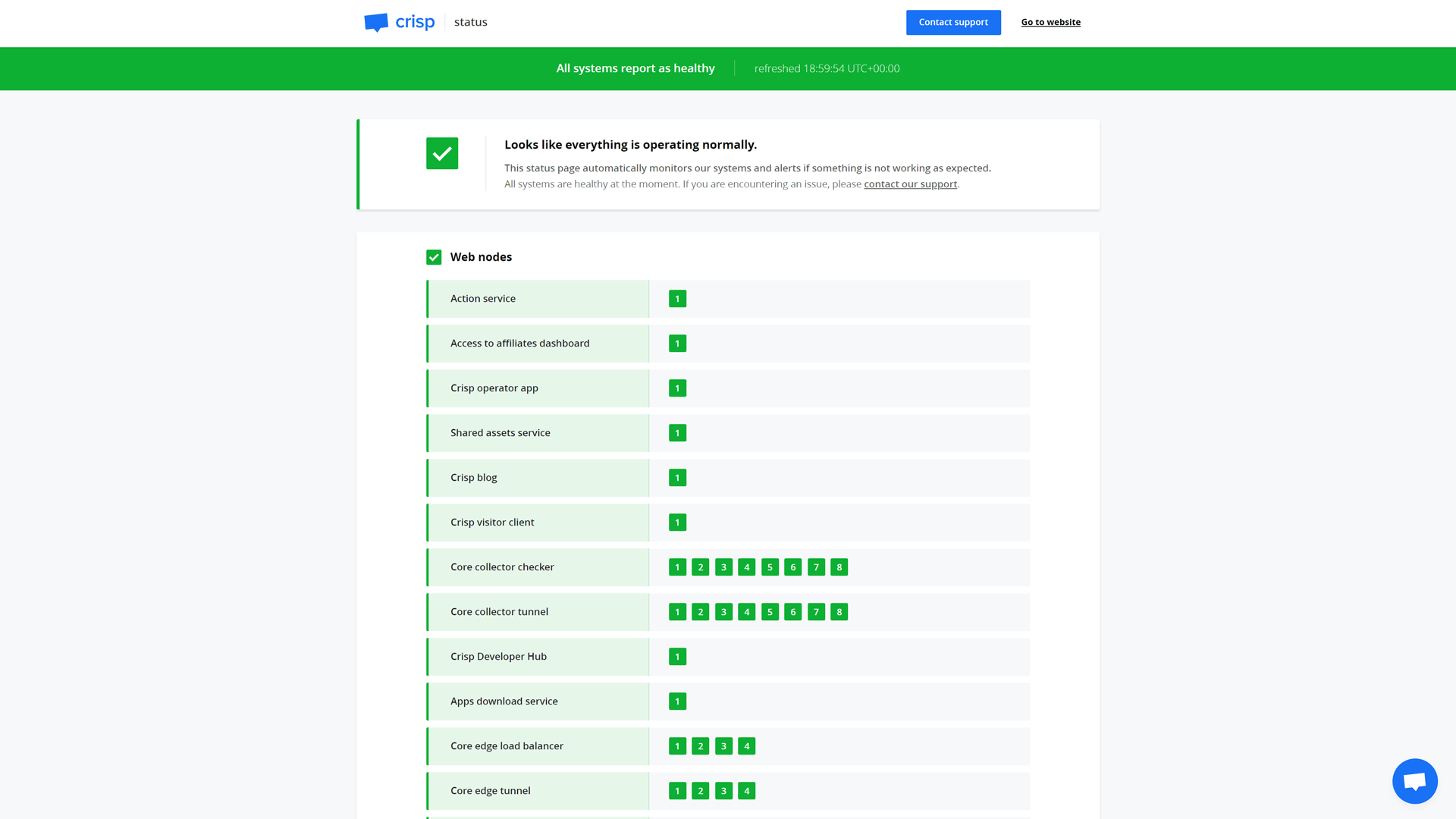
Vigil is a status page provider that focuses on delivering real-time monitoring and incident communication for businesses. It offers customizable status pages that can be tailored to reflect your brand while keeping users informed about service disruptions and maintenance updates.
Vigil also integrates seamlessly with various third party incident tracking services, allowing for efficient management and communication.
With its user-friendly interface and robust features, Vigil is an excellent choice for organizations looking to enhance their transparency and reliability in service status reporting.
Features
- Real-Time Incident Updates: Vigil provides real-time updates on incidents and outages, ensuring that users can communicate effectively with their customers. This feature helps keep stakeholders aware and reduces the volume of support tickets during outages.
- Multi-Channel Notifications: Vigil supports multi-channel notifications, allowing users to send updates via email, SMS, and social media. This ensures that all stakeholders receive timely information, regardless of their preferred communication method.
- Integration with Popular Tools: Vigil offers a seamless connection with a variety of popular tools and platforms, including Slack, Discord, and various incident management systems. This makes it easy for teams to respond quickly to downtime.
- Historical Incident Reports: Users can access historical incident reports, which provide insights into past outages and performance issues. This feature is valuable for post-mortem analysis and helps teams improve their incident response strategies.
- Public and Private Status Pages: Vigil offers both public and private status pages, giving users the flexibility to choose how they communicate service statuses. This is particularly useful for organizations that need to share information with external stakeholders while keeping sensitive data private.
By leveraging these features, Vigil provides a comprehensive solution for businesses seeking to enhance their status communication and incident management processes.
Advantages
Here are some of the key advantages of using Vigil vs Statytus:
- Real-Time Monitoring
Vigil provides real-time monitoring of your services, ensuring that you are always aware of the current status of your applications and services. This feature helps in proactive incident management. - Incident Management Tools
Vigil includes built-in incident management tools that allow teams to quickly respond to outages and incidents. Users can create detailed incident reports, update stakeholders, and communicate effectively during downtime. - Historical Data and Analytics
Vigil provides access to historical data and analytics, allowing users to review past incidents and outages. This feature is invaluable for identifying trends, improving response times, and enhancing overall service reliability. - Mobile Accessibility
Vigil’s mobile-friendly design ensures that users can access their status pages and monitoring tools on the go. This is essential for teams that need to stay informed and responsive, even when they are away from their desks.
Pricing
Vigil is available for download from GitHub free of charge.
Cachet
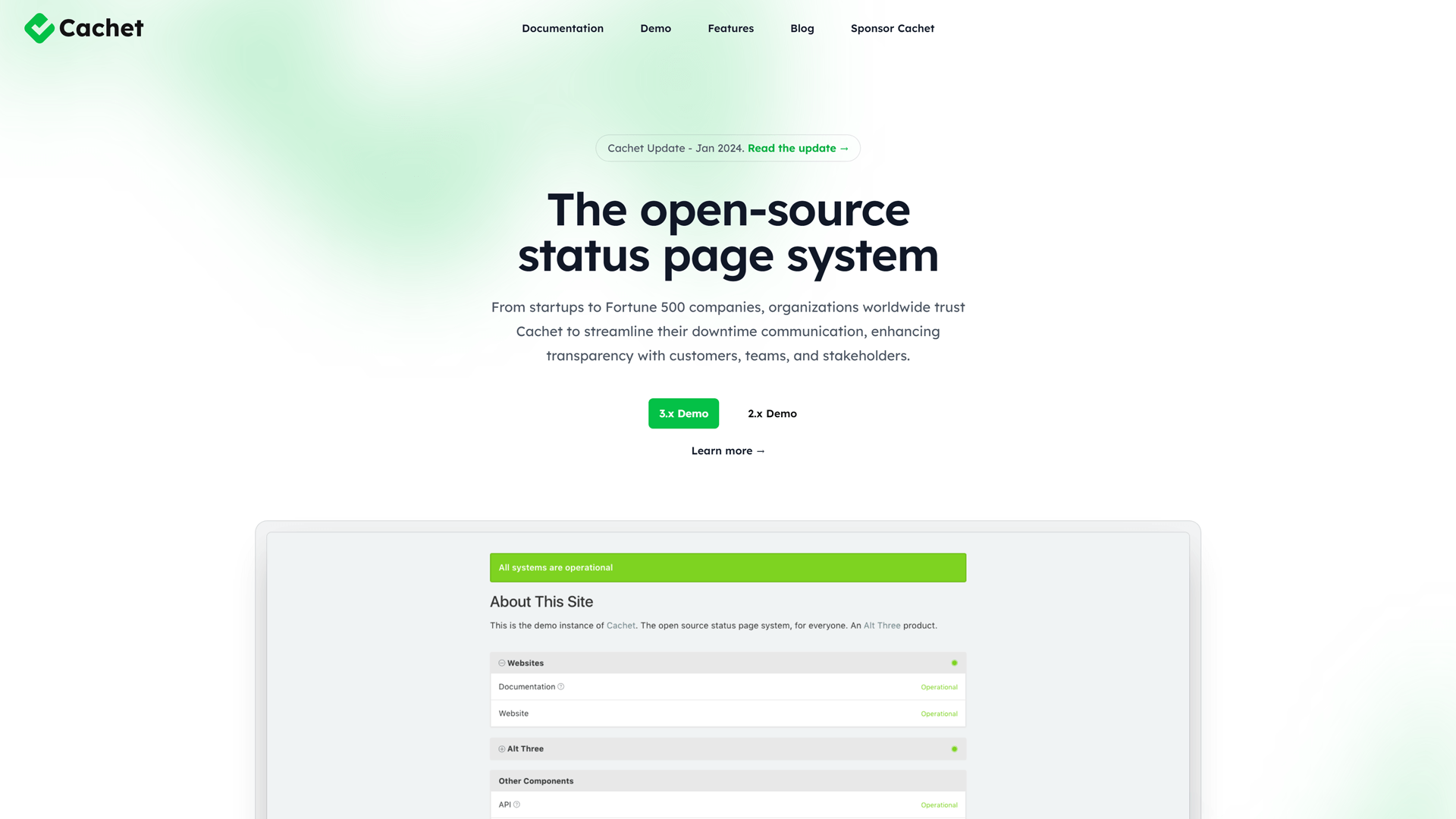
Cachet is an open-source status page system designed to help organizations communicate the status of their services effectively. It allows users to create a customizable status page that displays real-time information about service availability and incidents.
With features like incident reporting, and scheduled maintenance notifications, Cachet empowers teams to keep their customers informed. Ideal for tech-savvy organizations, Cachet offers flexibility and control, making it a popular choice for those looking to manage their own status communication.
Features
- Open Source: Cachet allows users to customize and host their own status pages without licensing fees.
- Incident Management: It provides robust incident management features, enabling users to create and manage incidents with detailed descriptions and timelines.
- Customizable Design: Users can easily customize the look and feel of their status pages to align with their brand identity.
- Real-Time Updates: Cachet offers real-time updates, ensuring users can communicate service status changes instantly to their audience.
- Metrics and Analytics: The platform includes built-in metrics and analytics to track uptime and incident history, helping teams improve service reliability.
- Multi-User Support: Cachet allows multiple users to manage the status page, facilitating collaboration among team members during incidents.
Advantages
- Self-Hosted Option: Users can host Cachet on their own servers, providing greater control over data and security.
- Multi-Language Support: Cachet supports multiple languages, making it accessible for global teams and diverse user bases.
- API Integration: With a comprehensive API, Cachet allows to connect with other tools and services, enhancing its functionality.
Pricing
Cachet is a free and self-hosted option.
Upptime

Upptime is an open-source status page provider that leverages GitHub Actions to monitor the uptime of your services. It automatically generates a status page from your GitHub repository, making it a great choice for developers who prefer a code-centric approach.
Upptime offers real-time monitoring and incident reporting, allowing users to keep their stakeholders informed without the need for additional tools. With its customizable features and transparent nature, Upptime is an excellent alternative for teams looking to maintain a reliable status page while minimizing costs.
Features
- GitHub Integration: Leverages GitHub Actions to monitor service uptime directly from your repository.
- Open Source: Fully customizable and free to use, allowing users to modify the code as needed.
- Status Page Generation: Automatically generates a status page hosted on GitHub Pages.
- Incident Reporting: Provides a simple way to report incidents and outages.
- Real-Time Monitoring: Monitors service availability with real-time updates and notifications.
Advantages
- Cost-Effective: Upptime is free to use, making it an attractive option for startups and small businesses.
- Simple Setup: Users can quickly set up monitoring with minimal configuration, making it user-friendly.
- Customizable Status Pages: Offers the ability to create personalized status pages that reflect your brand.
- Community Support: A growing community provides support and resources for troubleshooting and enhancements.
Pricing
Upptime is free to download from GitHub.
CState
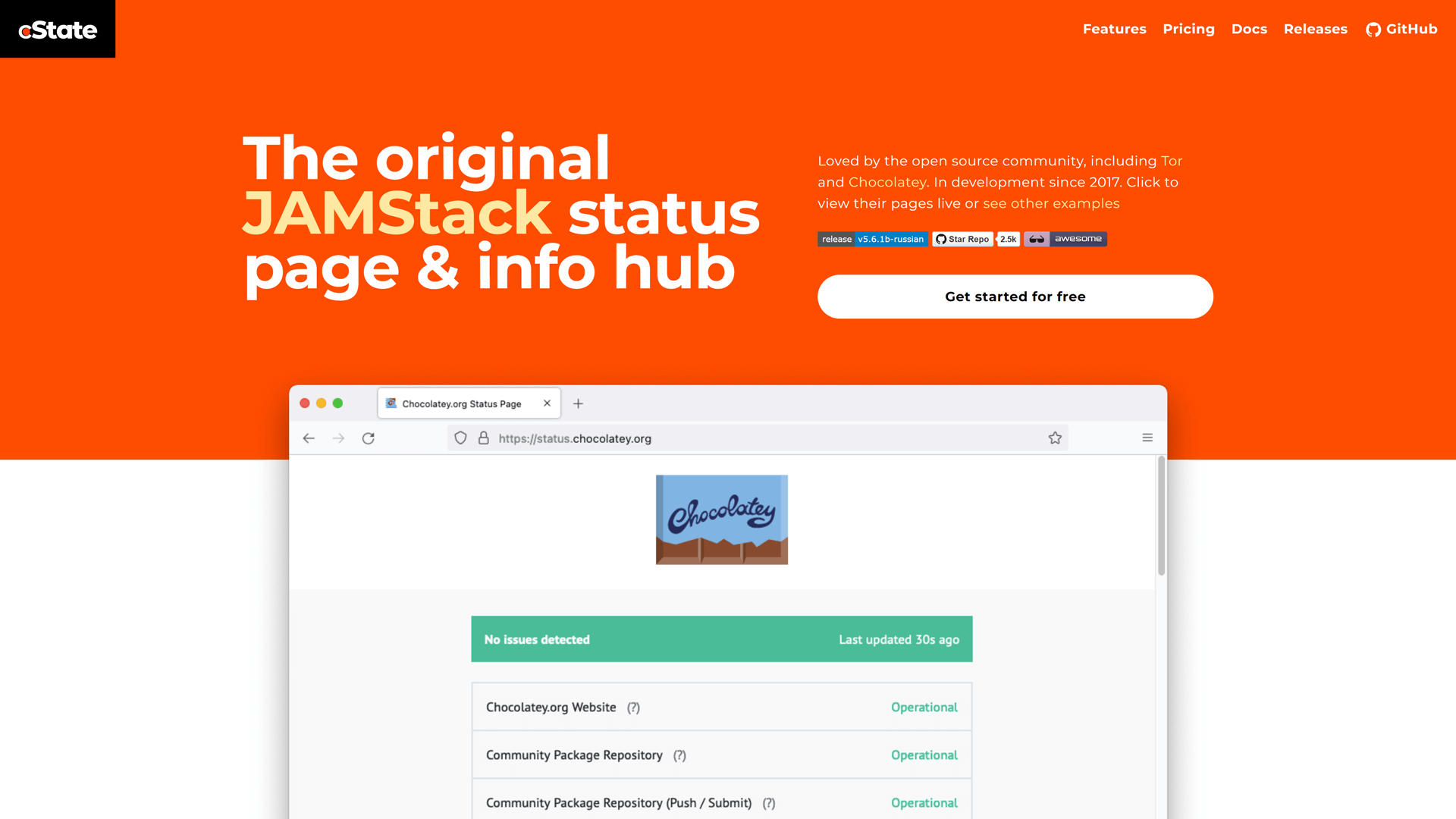
CState is a status page provider that focuses on delivering real-time updates and incident communication for businesses. It offers customizable status pages that can be tailored to reflect the unique branding of your organization.
With features like automated incident reporting and integration with popular communication tools, CState helps streamline outage notifications and enhance transparency with users. This platform is ideal for teams looking to improve their incident management processes while keeping their customers informed and engaged.
Features
- Public and Private Status Pages: CState offers both public and private status pages, allowing you to control who has access to your service status information. This is particularly useful for businesses that need to communicate with internal teams or specific clients.
- Incident Management: Efficiently manage and communicate incidents with detailed reports and timelines.
- Multi-Provider Monitoring: Monitor multiple cloud services and dependencies in one place for comprehensive oversight.
- Integration Capabilities: Connect with popular tools and platforms for streamlined workflows.
- User Notifications: Keep users informed with automated notifications via email, SMS, or webhooks during incidents.
Advantages
- Real-Time Monitoring: CState provides real-time monitoring of your services, allowing you to keep your users informed about any incidents or outages as they happen.
- Multi-Channel Notifications: CState supports notifications through various channels, including email, SMS, and webhooks. This ensures that your users receive timely updates, no matter where they are.
- Integration Capabilities: CState integrates with popular tools and services, making it easy to connect with your existing workflows. Whether you use Slack, Discord, or other communication tools, CState can fit seamlessly into your tech stack.
- Analytics and Reporting: With CState, you can access analytics and reporting features that provide insights into your service performance and user engagement. This data can help you make informed decisions about your service reliability.
- Mobile-Friendly Design: CState’s status pages are designed to be mobile-friendly, ensuring that users can access updates on any device, whether they’re at their desk or on the go.
Pricing
It’s completely free to use but requires self-hosting. Users will need to manage their infrastructure and integrations.
Pingpong
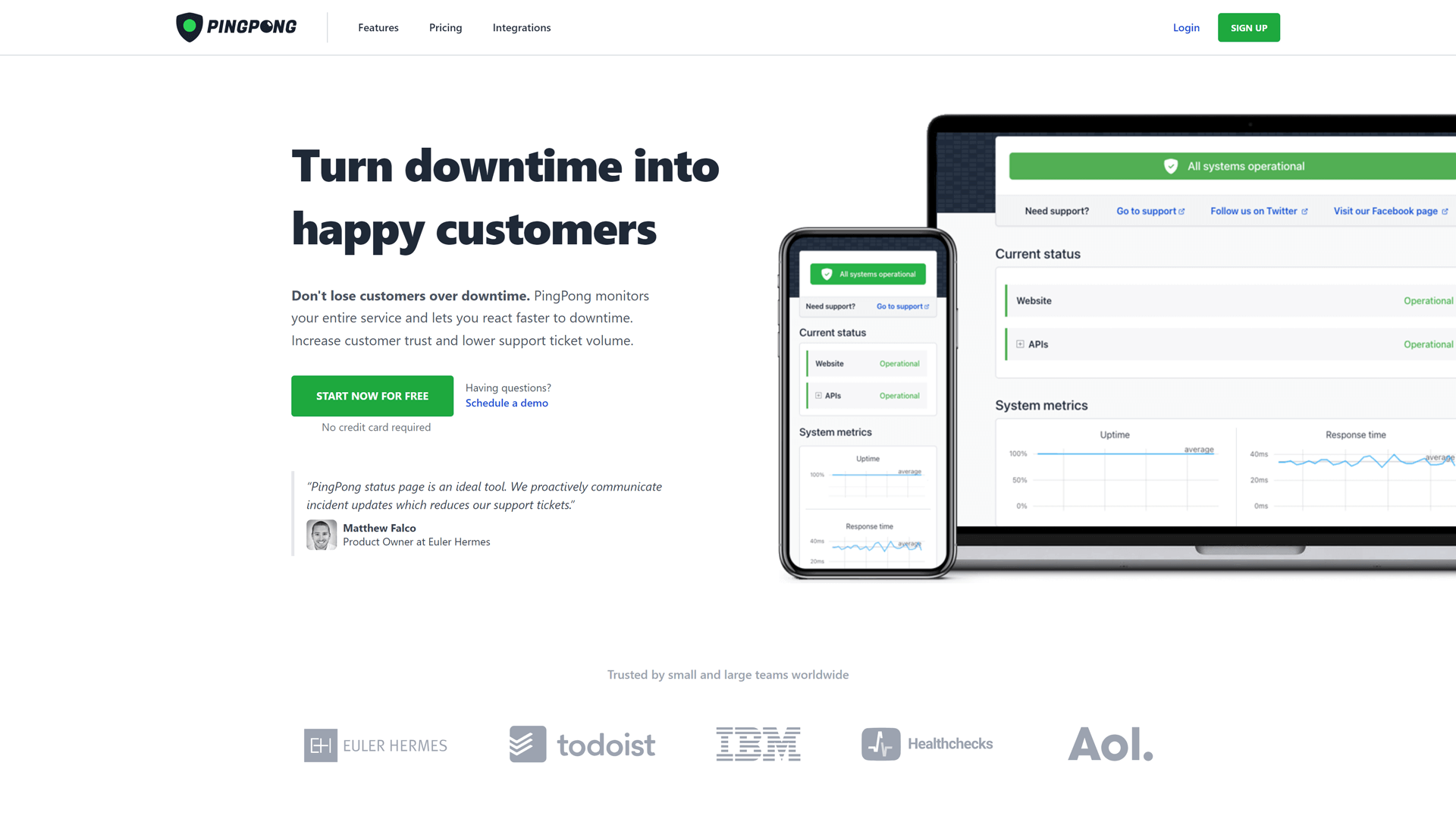
Pingpong is a status page provider that focuses on delivering real-time updates and communication for businesses. It allows users to create customizable status pages that can be easily integrated into their existing workflows.
With features like automated alerting and detailed uptime reports, Pingpong helps teams keep their customers informed during outages. Its robust API make it a solid choice for organizations looking to enhance their communication during service disruptions.
Features
- Incident Management: Efficiently manage incidents with automated notifications and detailed reports to keep users informed.
- Multi-Channel Communication: Communicate outages and updates through various channels, including email, SMS, and social media.
- Integration Capabilities: Seamlessly integrate with popular tools and platforms to enhance your workflow and incident response.
- Analytics and Reporting: Access in-depth analytics to track performance and user engagement on your status page.
- Ease-of-use: Intuitive and simple setup and management of your status page.
Advantages
- User-Friendly Interface: Pingpong offers an intuitive design, easy setup, and hassle-free management of their pages without extensive training.
- Adjustable Templates: Users can choose from a variety of templates to match their brand identity, ensuring a cohesive look and feel.
- Real-Time Updates: Pingpong provides instant updates on service status, keeping users informed and reducing the need for support tickets.
- Multi-Channel Notifications: Users can send status updates via email, SMS, and social media, ensuring that stakeholders are always informed.
- Affordable Pricing: Competitive pricing plans make Pingpong accessible for startups and small businesses looking for effective status page solutions.
Pricing
Pingpong offers a Free Plan for basic status page features.
Solo Plan: for $29 per month, Ideal for individuals, this plan includes 5 metrics, 100 subscribers, a custom domain with SSL, and access to the Slack incident manager. No team members are included. Comes with a 14-day free trial, no credit card required.
Pro Plan: for $99 per month, is best for small teams, this plan offers 20 metrics, 10 team members, 2,000 subscribers, a custom domain with SSL, basic customization, a private status page, and Slack incident management. Includes a 14-day free trial.
Business Plan ($499/month): Designed for larger teams, this plan includes 40 metrics, 25 team members, 5,000 subscribers, a custom domain with SSL, full customization options, component subscriptions, a private status page, Slack incident manager, and Single Sign-On (SSO) with SAML.
All plans come with a 14-day free trial without requiring a credit card.
OpenStatus
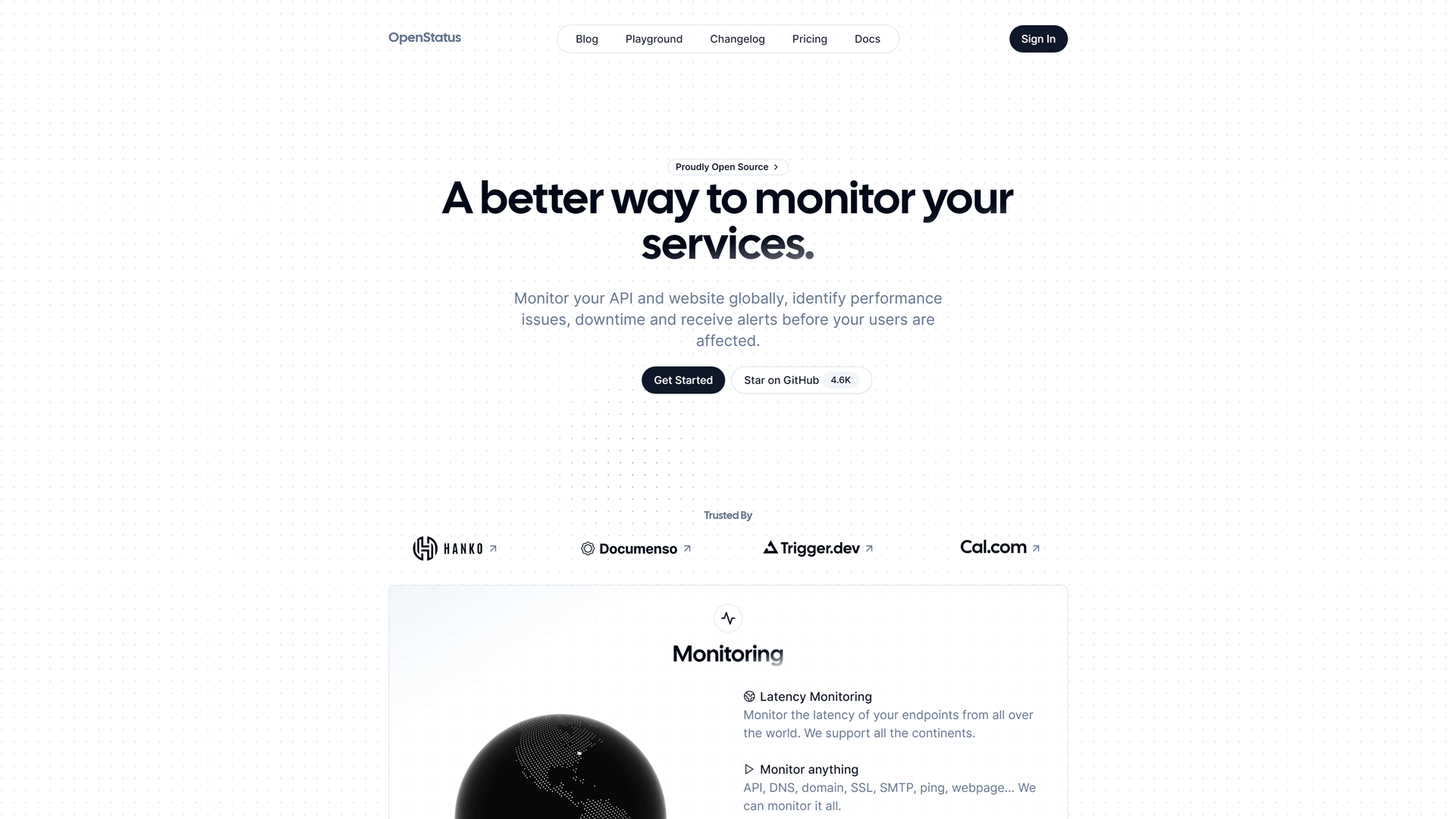
OpenStatus is an open-source status page competitor that allows businesses to create and manage their own status pages with ease. It offers customizable templates making it accessible for teams of all sizes.
OpenStatus enables real-time monitoring of service uptime and incidents, ensuring that users can keep their customers informed during outages.
With its community-driven approach, OpenStatus provides a cost-effective solution for organizations looking to maintain transparency and communication regarding their service status.
Features
- Branded Status Pages: reflect your company’s identity and provide real-time updates.
- Incident Management: Effortlessly manage and communicate disruptions with detailed reports and timelines.
- Multi-Provider Monitoring: Monitor multiple cloud services and dependencies in one place for comprehensive oversight.
- User Notifications: Keep users informed with automated notifications via email or messages during incidents.
- Analytics Dashboard: Access insights and analytics to track uptime, performance, and incident history.
Advantages
- Customizable Templates: Users can choose from a variety of templates to match their branding, ensuring a cohesive look and feel.
- Real-Time Updates: OpenStatus provides instant updates, allowing users to communicate incidents and outages effectively.
- Compatibility: The tool is easy to use with popular services, enhancing workflow and incident management.
- Cost-Effective: OpenStatus offers competitive pricing, making it an attractive option for startups and small businesses looking for budget-friendly solutions.
Pricing
Free Plan: Monitor up to 3 services with basic uptime checks and email alerts.
Basic Plan: Starting at $10 per month, supports monitoring for up to 10 services with real-time alerts and essential reporting.
Pro Plan: $30 per month, monitors 50 services, includes advanced alerting options like SMS notifications, and enhanced reporting features.
Business Plan: $100 per month, monitors up to 200 services, offering custom integrations, dedicated support, and advanced analytics.
Uptime.com

Uptime.com is a robust status page provider that focuses on monitoring the uptime and performance of websites and applications. It offers real-time alerts and detailed reporting, ensuring that users are promptly informed of any service disruptions.
Uptime.com allows businesses to create customizable status pages that communicate incidents effectively to their customers. Additionally, it integrates seamlessly with various services, making it a versatile choice for organizations looking to enhance their incident management processes.
Features
- Real-Time Monitoring: Uptime.com offers instant alerts for downtime and performance issues across websites and services.
- Branded Status Pages: Users can create branded pages to communicate service health to customers effectively.
- Multi-Location Monitoring: Monitor uptime from various global locations to ensure comprehensive coverage.
- Incident Management: Streamlined reporting and management tools to keep teams informed and responsive.
- Integration Capabilities: Connects with popular tools like Slack, PagerDuty, and more for enhanced communication.
Advantages
- Comprehensive Monitoring: Uptime.com offers extensive uptime and performance monitoring for websites and services, ensuring users are alerted to issues promptly.
- Customizable Alerts: Users can set personalized notifications via email, SMS, or integrations, ensuring timely updates on service status.
- Detailed Reporting: Uptime.com provides in-depth reports and analytics, helping teams understand performance trends and improve service reliability.
- Affordable Pricing: Competitive pricing plans make Uptime.com accessible for businesses of all sizes, offering great value for comprehensive monitoring services.
Pricing
Starter Plan: from $20 per month Ideal for basic monitoring, offering 30 basic checks, 1 transaction check, 1 API check, 1 status page, and 50K pageviews for real user monitoring. Includes limited global check locations with a minimum check frequency of 5 minutes.
Essential Plan: from $67 per month: Designed for standard monitoring needs, featuring 50 basic checks, 5 transaction checks, 10 API checks, 2+ status pages, 200K pageviews, and global check locations with a 3-minute minimum frequency. It also includes a free 1-hour strategy session.
Premium Plan $285 per month: Best for growing companies, offering 200 basic checks, 15 transaction checks, 20 API checks, 5 page speed checks, 4 status pages, and 1.5M pageviews. Includes unlimited global check locations, 1-minute check frequency, and enhanced real user monitoring.
There’s a customizable plan for enterprises available.
Uptime Robot
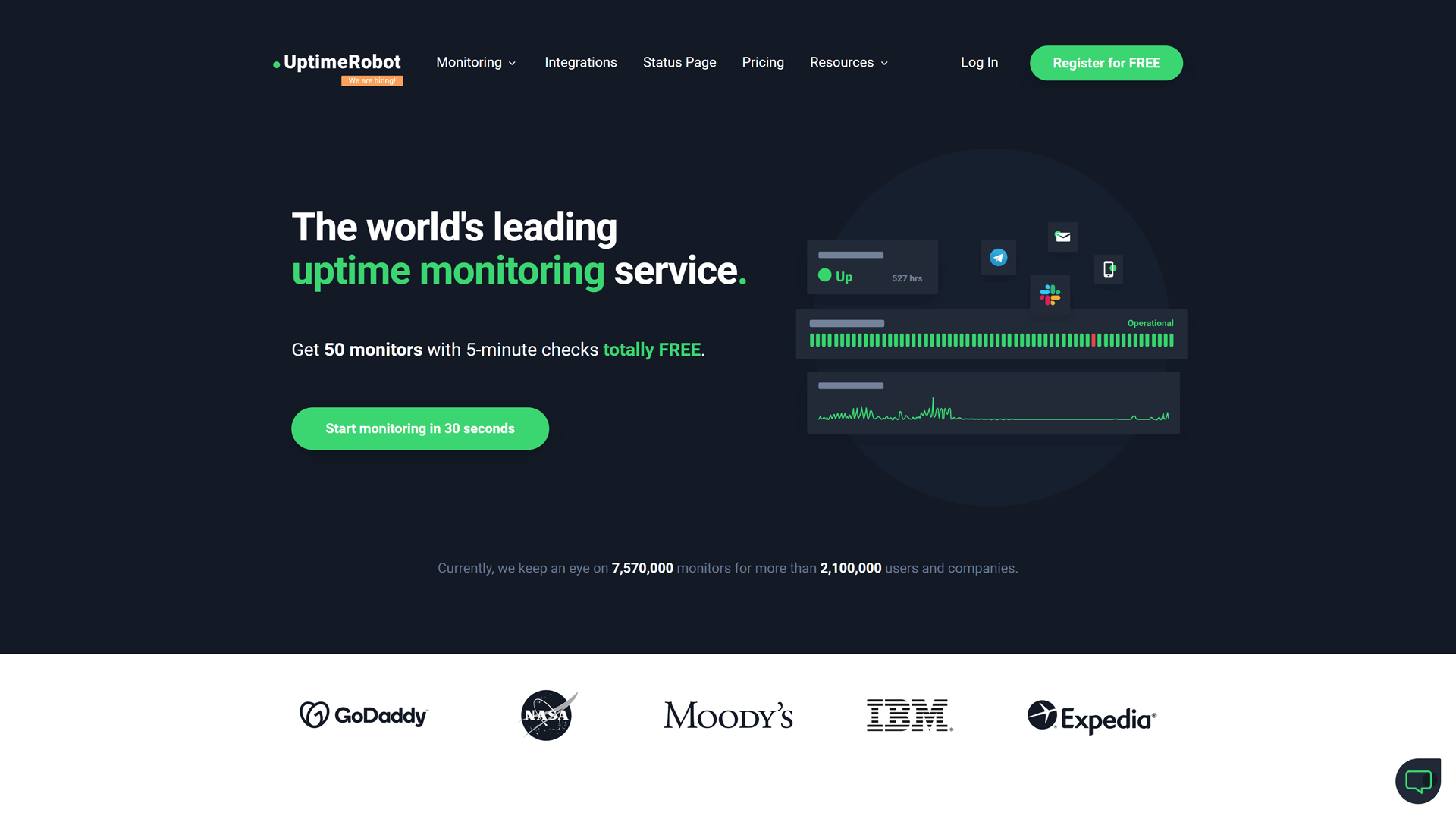
Uptime Robot is a reliable status page provider that specializes in monitoring the uptime and performance of websites and services. Uptime Robot allows users to track the status of their own services as well as those of third-party providers, ensuring they stay aware of any potential issues.
The tool offers real-time alerts and detailed reports, helping teams respond quickly to outages and minimize downtime. Ideal for businesses looking to enhance their incident communication, Uptime Robot is a solid alternative for those seeking effective status monitoring solutions.
Features
- Uptime Monitoring: Monitors website uptime every 5 minutes, ensuring quick detection of outages.
- Multi-Protocol Support: Supports HTTP(s), ping, and port monitoring for diverse service types.
- Custom Subscriber Notifications: Users can set up personalized notifications via email, SMS, or integrations, ensuring timely updates on service status.
- Status Page Creation: Offers customizable status pages to communicate service health to users.
- Historical Data: Provides detailed uptime reports and historical data for performance analysis.
Advantages
- Multi-Protocol Monitoring: Supports HTTP(s), ping, port, and keyword monitoring, providing flexibility in tracking various services.
- Affordable Pricing: With a free tier and competitive pricing for premium plans, Uptime Robot is budget-friendly for startups and small businesses.
- Detailed Reports: Offers comprehensive uptime reports and analytics, helping users understand service performance over time.
- API Access: Uptime Robot provides an API for IT teams, making it compatible with other tools and custom applications.
Pricing
Free Plan: Ideal for hobby projects with 50 monitors, 5-minute intervals, HTTP/port/ping monitors, and basic status pages. Limited to 5 integrations.
Solo Plan for $7 per month with 10 monitors or $15 per month for 50 monitors: Suitable for solopreneurs, offering 1-minute intervals, 9 integrations, and SSL/domain expiration monitoring. Includes basic status pages but no login seats.
Team Plan for $29 per month and 100 monitors: Designed for small teams with 100 monitors, 1-minute intervals, full-featured status pages, 12 integrations, and 3 login/notify seats.
Enterprise Plan for $54 per month and 200 monitors: For larger teams, featuring 30-second intervals, 12 integrations, full status pages, and 5 login/notify seats for better collaboration.
Conclusion
In today’s digital landscape, maintaining transparency with your users is crucial, especially when it comes to service uptime and disruptions.
Staytus and its alternatives and competitors page play a vital role in customer experience when communicating system status, and maintenance schedules.
While Staytus is a popular choice, there are several alternatives that might better suit your needs. If you are looking for an all-in-one status page with visibility into your third-party apps and services, make sure to check out StatusGator and try it for free today!

FAQ
Why look for Staytus alternatives?
The reason to look for Staytus alternatives is more advanced features like automated third-party service monitoring, easier customization of status pages, or better integrations with tools like Slack or MS Teams. Some alternatives may also provide more support for scaling large infrastructures.
What are the top 5 alternatives to Staytus?
The top 5 alternatives to Staytus include StatusGator, Statuspage by Atlassian, Status.io, Freshstatus, and Sorry App. These platforms provide more advanced features for creating customizable status pages and managing incident communication with both public and private audiences. Other options in 2024 may include Instatus, New Relic, AWS CloudWatch, and Pingdom among others.
Is Staytus self-hosted?
Yes, Staytus is a self-hosted solution, meaning businesses must install and manage it on their own servers, giving them full control over the system.
Does Staytus offer real-time status updates?
Staytus allows businesses to update the status of their services manually, but it does not provide automated monitoring of uptime or incidents.
Is Staytus free?
Yes, Staytus is free and open-source. However, since it’s self-hosted, you’ll need to manage the installation, maintenance, and hosting costs on your own infrastructure.